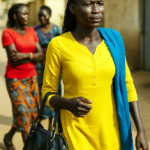


ومسألة المرأة في جنوب السودان هي من أكثر المواضيع تعقيدا وتشابكا، حيث تتداخل العوامل الاجتماعية والثقافية والاقتصادية لخلق تناقض صارخ بين المرأة في المدن وبين المرأة في المناطق الريفية. وعلى الرغم من الجهود الرسمية الرامية إلى تعزيز مشاركة المرأة في الحياة العامة، لا تزال الفجوة بين الحقوق المعلنة والحقائق المعيشية شاسعة، لا سيما بالنسبة للمرأة الريفية التي تجد نفسها محاصرة في نظام اجتماعي تقليدي يقيد حريتها من الطفولة. وفي حين أن بعض النساء في المدن يتمتعن بفرص تعليمية واقتصادية أفضل نسبياً، فإن النساء الريفيات لا يزلن مقتصرات على حياة تمليها مسؤوليات ثقيلة، دون خيار تغيير مسارهن أو حتى الحلم بمستقبل مختلف.
وفي جنوب السودان، حيث تتداخل الأزمات السياسية والاقتصادية بشكل عميق، يتضح التفاوت بين المرأة الريفية والحضرية. ويمنح الدستور المرأة نسبة 35 في المائة من التمثيل في المؤسسات الرسمية، ولكن هذا الامتياز يظل رقماً فارغاً بالمقارنة مع واقع المرأة الريفية، التي لا تزال كفاحها غير مرئية إلى حد كبير. وفي المدن، هناك خطاب مستمر بشأن تمكين المرأة وإدماجها في الحياة العامة، في حين أن المرأة في القرى لا تزال مقتصرة على الأدوار التقليدية التي لا تترك لها مجالا للاختيار.
وفي حين أن النساء في المدن الكبرى مثل جوبا أو المدن الأصغر مثل إيدا، وبادراي، وروروني يحصلن على بعض الفرص، فإن نظرائهن الريفيات محاصرات
في دورة من العمل الشاق والحرمان من الحقوق الأساسية. A girl in South Sudan, particularly in rural areas, grows up within a rigid patriarchal system that determines her fate in advance. ومن سن مبكرة، تُحاط بتوقعات اجتماعية قاسية تُعتبرها في المقام الأول زوجة وأم في المستقبل. هي ليست
ويُنظر إليها على أنها إنسان مستقل يطمع طموحاته وأحلامه، بل على أنها قوة عاملة مدربة من الطفولة لأداء الأعمال المنزلية، والعمل الزراعي، ورعي الماشية، وتتحمل مسؤوليات ثقيلة دون مراعاة رغباتها أو قدراتها.
المرأة في المناطق الريفية: المسؤوليات التي لا تنتهي ولا خيارات
أما أكون مالوال مبيك، وهي امرأة تبلغ من العمر 32 عاماً وأم من خمس سنوات، فلم تغادر قط قريتها منذ زواجها منذ عقد مضى. وهي لم تر قط مدينة ولم تخيّل أبداً حياة تتجاوز الأعمال المنزلية، وتربية الماشية، والزراعة، التي لم تثمر أي حصاد هذا العام بسبب الجفاف. ولكن مسؤولياتها لا تقتصر على هذه المهام اليومية. وهي تشمل أدوارا يُنظر إليها تقليديا في واجبات الرجل، مثل بناء المنازل، وجمع القش، وشراء الخشب لضمان أن يصمد السقف أمام الأمطار. (أكون) تعيش في نظام يفرض عليها عملاً شاقاً دون أي دعم من الدولة أو المجتمع، كما لو كان وجودها مصيراً محدداً مسبقاً لا يمكن تغييره.
في هذه الأثناء، (نياشوب آغون بول)، 26، وجدت نفسها في زواج لم تختاره، كما لم تختار حياتها بعد ذلك. تزوجت رجلاً كان متزوجاً بالفعل، لكنه قرر العيش في المدينة مع زوجته الأولى، وتركت (نياشوب) لوحدها في القرية مع أطفالها الثلاثة. ولم يكن لها أي رأي في هذا القرار، لأنه فرض عليها، كما هو الحال بالنسبة لكثير من النساء الريفيات الأخريات، اللاتي يحدد مصيرهن البعض بينما تؤجل أحلامهن إلى أجل غير مسمى—أو ربما للأبد
المرأة في المدن: مزيد من الفرص ولكن التطلعات المحدودة
In smaller towns like Aida, Badray, and Rorony, or even in major cities like Juba, women’s lives seem more open, but not necessarily fairer. While women in these environments have greater access to education and work, the ceiling of their ambitions remains limited by traditions that continue to reproduce discrimination in less obvious ways. In Juba, some women hold administrative positions, run businesses, and even participate in decision making. However, even in these cities, women still face obstacles related to unequal gender-based opportunities, violence, and societal norms that assign them specific roles, even if these roles have evolved in form. While rural women struggle for survival, urban women struggle for full recognition of their rights.
The Rural-Urban Divide: A Persistent Gap
While girls in Juba and even in Aida can access schools, girls in villages are often deprived of education due to early marriage or the long distances to schools. While urban women can find work in markets or institutions, rural women rely entirely on farming and livestock, making them more vulnerable to economic crises and natural disasters.
In terms of autonomy, while some women in cities can make decisions about their lives, rural women remain completely subject to family and societal authority, without even the right to decide where they live—just like Nyachop, who was forced to stay in the village while her husband moved to the city. This gap between rural and urban women reflects a fundamental flaw in women’s empowerment policies, which focus on cities while leaving villages neglected and marginalized.
Toward Genuine Justice for Women in South Sudan
If the conversation about women’s empowerment is to be taken seriously, it must include all women, not just those in urban areas. Education must be made available in villages just as it is in cities, healthcare services must reach rural areas, and real economic opportunities must be created for women—beyond mere symbolic policies that grant positions to a lucky few while leaving the majority in the shadows. More importantly, there must be a fundamental shift in the way girls are raised in South Sudan. A culture that encourages girls to dream and aspire must replace the cycle of submission and resignation. The vicious cycle that forces each new generation of women to endure the same suffering as the one before it must be broken.
True justice for women in South Sudan will not be achieved merely by allocating 35% representation in official institutions. It requires comprehensive reform in education, the economy, laws, and cultural structures. Without this, womens rights will remain empty slogans repeated at conferences, while rural women continue to bear the burdens of life alone—unheard, unseen, and forgotten.
![[الاستعراض]](https://basmamagazine.net/wp-content/uploads/2026/04/basma-magazine-middle-east-issue2_1.jpg "[مراجعة - الترجمة التحريرية]")