

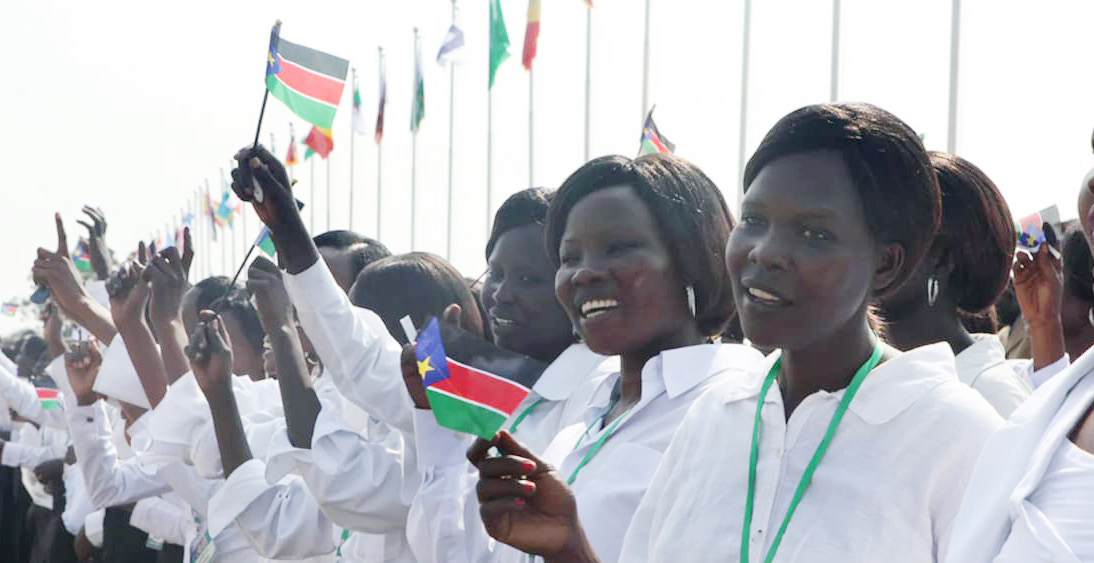
International Women’s Day, observed on March 8 each year, serves as a global reminder of the achievements and struggles of women. For South Sudanese women, this day is particularly significant. It provides an opportunity to reflect on their resilience in the face of adversity, acknowledge their significant contributions to society, and advocate for gender equality and empowerment. South Sudan gained its independence from Sudan in July 2011, becoming the world’s newest nation. However, this journey has been marred by conflict, economic instability, and social challenges. The ongoing struggles faced by women in South Sudan are deeply rooted in historical inequalities, cultural norms, and systemic barriers that hinder their rights and opportunities.
Women in South Sudan play critical roles within their families and communities. Traditionally, they are responsible for household tasks, farming, providing water, and firewood. They are often the first to rise in the morning to prepare food and the last to sleep, ensuring their families are taken care of. Despite these responsibilities, women have often been excluded from decision-making processes, especially in political, and economic spheres.
The challenges facing women in South Sudan are numerous and multifaceted:
First and foremost, women faced Violence and Insecurity: The ongoing conflict has resulted in widespread gender-based violence, including sexual violence used as a weapon of war. Women and girls are often the most affected in times of turmoil.
Secondly, the Cultural Practices: Traditional practices, such as child marriage where many young girls are married off at younger age putting their dreams on hold, and female genital mutilation (FGM), continue to be prevalent in many communities, impacting women’s health and autonomy.
Thirdly inadequate education opportunities for women and girls, educational opportunities for women and girls are limited. Many girls are forced to drop out of school due to early marriages or family responsibilities, perpetuating the cycle of poverty.
Forth the Political Underrepresentation: Although women have been active in peacebuilding efforts, they remain underrepresented in political leadership and decision-making roles. Celebrating Achievements.
Last but not the least, Economic Inequality: Women have limited access to resources, land ownership, and financial services, hindering their economic empowerment and independence. Amid these challenges, South Sudanese women continue to make remarkable strides:
Activism and Advocacy: Women have played crucial roles in peace negotiations and human rights advocacy. Organizations like the South Sudan Women’s Coalition and many women either in the media, in churches, schools and at all walk of life work tirelessly to amplify women’s voices and address issues such as gender-based violence and inequality.
Community Leadership: Women are increasingly stepping into leadership roles within their communities, championing initiatives that promote education, healthcare, and economic empowerment.
Cultural Contributions: South Sudanese women are custodians of their cultural heritage. They engage in storytelling, music, and dance, preserving their history and fostering cohesion.
International Support and Solidarity. International Women’s Day is not just a celebration; it is also a call to action. The global community must stand in solidarity with South Sudanese women by:
Supporting Education: Investing in educational programs that empower girls and women will help break the cycle of poverty and improve their future prospects.
Enhancing Healthcare Access: Improving healthcare services, particularly maternal and reproductive health, will reduce the risks women face.
Engaging Men in Gender Equality: Encouraging men and boys to participate in discussions about gender equality can foster a more supportive environment for women’s advancement.
Promoting Women in Leadership: It’s essential to advocate for policies and practices that increase women’s representation in political and business leadership roles.
As we commemorate International Women’s Day, we honor the women of South Sudan who exhibit extraordinary resilience and strength. Their stories of courage serve as inspiration for future generations. It is crucial to work collectively toward a future where women’s rights are upheld, and they have equal opportunities to thrive. Let us celebrate their achievements while pushing for systemic changes that ensure justice, equality, and empowerment for all South Sudanese women.
Together, we can strive for a brighter future, where women can live freely and without fear, contributing fully to their families and society.

![[preview_alt]](https://basmamagazine.net/wp-content/uploads/2026/04/basma-magazine-middle-east-issue2_1.jpg "[preview_title]")