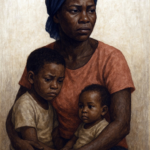



Women empowerment is an essential goal that needs to be achieved. The rights and freedoms that women enjoy today are the result of the hard-fought battles of empowered women. These women’s actions have paved the way for others to enjoy equal rights and freedom. South Sudan, however, still faces challenges in empowering its women. Women and girls in South Sudan often lack access to higher education and are married off at a young age. This article explores the importance of women empowerment in South Sudan, the achievements made, the challenges faced, and the strategies to enhance gender equality.
Women empowerment in South Sudan is a key driver of economic growth, social progress, and gender equality.
(A) Economic Growth and Development
In South Sudan, women contribute more than 60% of agricultural labor, playing a crucial role in food security and agriculture. Despite their significant contribution, women still face limitations in accessing productive assets and resources, which hinder growth and food security. To boost South Sudan’s GDP and reduce poverty, women should be empowered through land ownership, access to finance, and entrepreneurship training.
(B) Education and Skills Development.
Education is key to a brighter future for empowered women. South Sudan has made progress in increasing girls’ enrollment in schools. According to the 2011 South Sudan Household Health Survey, the nationwide literacy rate for women remains low at 13.4%, a small increase from 13.4% to 15%, compared to 40% for men. Policies like the Girls’ Education South Sudan (GESS), UNICEF, and UN Women Africa are creating inclusive programs that are transforming the lives of children in South Sudan, especially girls and those on the margins of society. UNICEF is supporting the building of classrooms, offering education support to vulnerable groups, constructing training centers for women to improve their skills, and providing scholarships and mentorship programs for girls.
(C) Women in Politics and Leadership
South Sudan has made significant progress in women’s political participation. The 2011 Constitution of South Sudan has given women more opportunities to engage in political activities. In South Sudan, women hold 32.4% of parliamentary seats, with 5 women in the Council of States, 5 female ministers, 9 deputy ministers, and one woman overseeing the Gender and Youth Clusters among the five vice presidents. Leaders like Hon. Awut Deng Achuil (former Minister of Education), Hon. Nunu Kuba (Speaker of the Parliament), and Her Excellency Hon. Rebecca Nyandeng Garang (Vice President) are paving the way for women in government.
Challenges of Women Empowerment in South Sudan
(A) Gender-Based Violence and Weak Legal Enforcement
Many cases of gender-based violence go unreported due to fear of stigma and weak legal enforcement. Perpetrators of violence often escape justice due to corruption and lack of resources. Societal perceptions of women negatively impact their self-esteem.
(B) Political and Leadership Barriers
Gender discrimination and societal ideologies about gender discourage women from taking up leadership roles. Despite increased representation, women still face discrimination and limited decision-making power.
(C) Cultural and Social Norms
Traditions limit women’s decision-making power in homes and society.
Early marriages and teenage pregnancies hinder girls’ education, with one of the highest rates of teen pregnancy being 30% among girls aged 15–19 years.
(D) Limited Access to Economic Opportunities
Lack of access to loans and financial resources prevents women from expanding businesses. Employed women earn lower wages compared to men. Women face challenges in land ownership due to traditional inheritance laws that favor men.
Strategies to Enhance Women Empowerment in South Sudan
(A) Strengthening Education and Skills Increase scholarships for girls, especially in rural areas. Provide vocational training programs to improve women’s employment opportunities.
(B) Economic Empowerment. Increase access to loans and credit facilities for businesswomen. Support women’s cooperatives and small businesses. Promote policies that allow women to own and inherit land.
(C) Enhancing Women’s Political Participation. Encourage mentorship programs for young women in leadership roles. Implement strict laws against gender discrimination in politics. Increase women’s representation in local and executive positions.
(D) Ending Gender-Based Violence Strengthen laws and enforcement against gender-based violence. Conduct community sensitization programs to change harmful gender norms. Create punishments for gender-based violence perpetrators.
Conclusion
Women empowerment in South Sudan is vital for healthy economic growth, social progress, and gender equality. Despite the improvements made in education, politics, and business, challenges like gender-based violence, cultural norms, and economic crises still exist. To create a better society, the government, private sector, and civil society must work together to enforce policies that support women’s rights and leadership opportunities.
Women empowerment is not just a dream; it is a reality with rewards for the healthy development of our country. “There is no chance for the welfare of South Sudan unless the conditions of women improve.”

![[preview_alt]](https://basmamagazine.net/wp-content/uploads/2026/04/basma-magazine-middle-east-issue2_1.jpg "[preview_title]")