


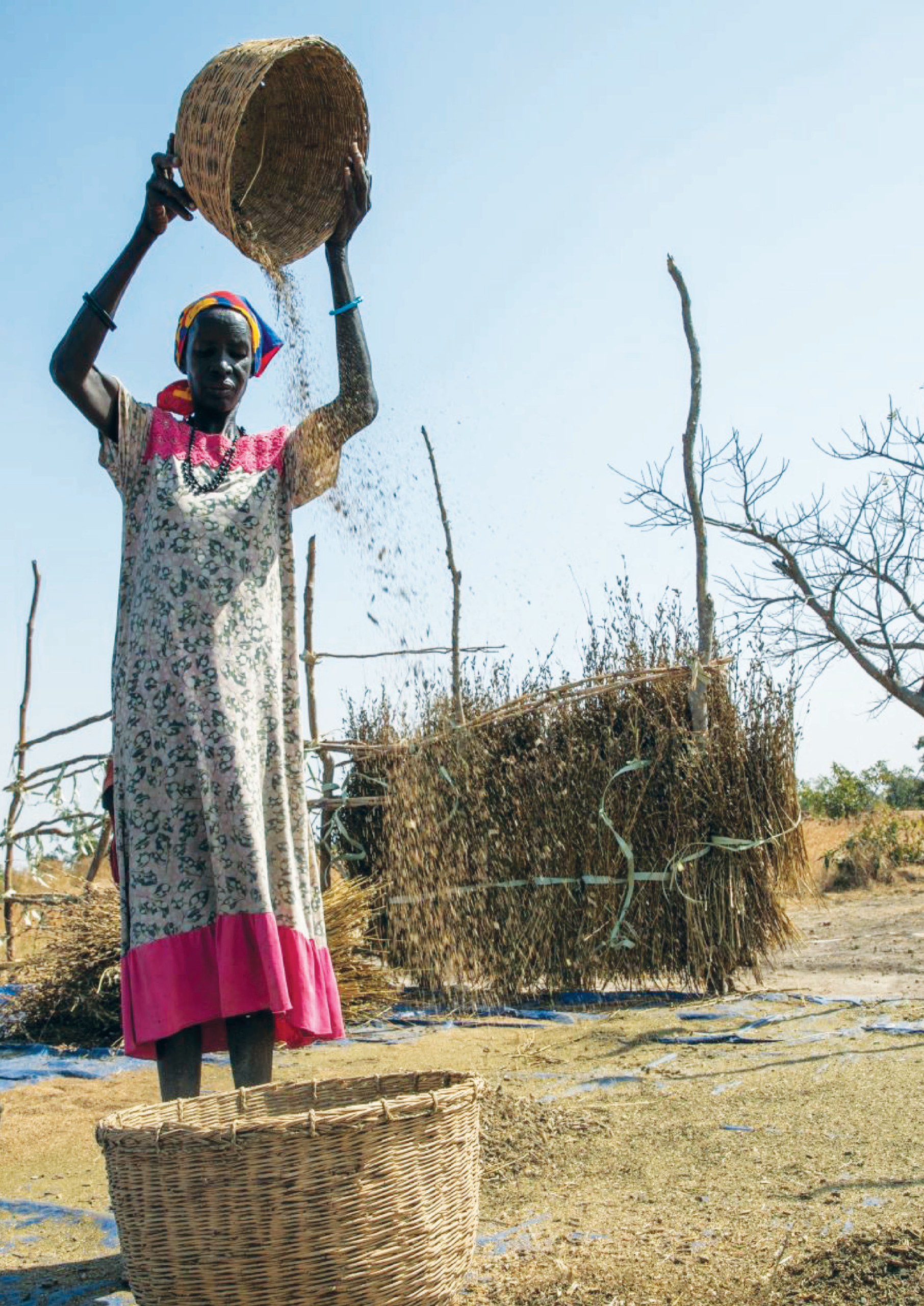
In Sub-Saharan Africa, agricultural and food systems account for approximately 50% of women’s employment opportunities, with women sometimes making up as much as 66% of the workforce in several countries. In South Sudan, women play a vital role in agricultural and food systems, comprising about 59% of the agricultural workforce according to World Bank statistics, making them key contributors to food security.
Women’s Roles in Food Production
Women participate significantly in various aspects of agricultural production, with key roles including:
- Crop Cultivation: Women grow staple crops such as maize, sesame, and peanuts and are often responsible for planting and harvesting food.
- Livestock Rearing: Women take on the responsibility of caring for livestock, which serves as a vital source of protein and income in rural communities.
- Agricultural Resource Management: Women play a crucial role in managing resources such as water, land, and seeds, enhancing agricultural sustainability.
- Traditional Knowledge: Women possess agricultural knowledge passed down through generations, which helps improve crop yields and enhance biodiversity.
Nutrition and Food Security
Women are essential to food security and nutrition due to their responsibilities, including:
- Meal Preparation: Women provide nutritious food for their families, playing a central role in improving household health.
- Agricultural Product Marketing: Women contribute to selling agricultural products, increasing their income and enabling investment in food, education, and healthcare.
Challenges Facing Women in Agriculture
Despite their significant contributions, women face various challenges that hinder their role in ensuring food security, including:
- Environmental Factors: Climate change affects agricultural productivity.
- Political Conditions: Structural inequalities and land ownership deprivation opportunities.
- Cultural Constraints: Discriminatory customs and traditions restrict women›s economic participation.
- Limited Access to Resources: Women struggle to own agricultural land and participate in markets.
Collective Work and Agricultural Participation
Women in rural areas often work in farming groups, collaborating on land preparation, planting, harvesting, and preparing for the next agricultural season. This collective effort, known as “Nafeer,” is particularly evident in regions such as Wau and Rumbek.
Towards Fair and Sustainable Agricultural Systems
To achieve food security and improve women’s well-being, the following measures should be taken:
- Fair distribution of responsibilities within families.
- Recognition of women›s land ownership rights.
- Elimination of structural barriers and enhancement of women›s participation in decision-making.
- Provision of resources and support to improve their agricultural productivity.
Conclusion
Women’s role in South Sudan’s agricultural and food systems is crucial for achieving food security and sustainability. Empowering and enhancing women›s capacities can improve agricultural productivity, promote health, and contribute to overall community well-being. Supporting women in agriculture requires comprehensive strategies that consider their needs and challenges to ensure more equitable and efficient food systems.

![[preview_alt]](https://basmamagazine.net/wp-content/uploads/2026/04/basma-magazine-middle-east-issue2_1.jpg "[preview_title]")